
Dickinson County Criminal Court Files
A Dickinson County criminal court record is the case file maintained by the Clerk of the District Court after a criminal matter is opened in District Court. The file can include the complaint or information, the filed charges, first appearance notes, bond entries, attorney appearances, pleas, motions, hearing settings, orders, disposition, sentencing, probation, revocation activity, and post-sentence filings. The court record is not the same thing as a jail record. The jail side may show booking data and a charge description first, while the court side shows what was filed and what happened to each count in court.
Dickinson County is part of the 8th Judicial District with Geary, Marion, and Morris counties. The 8th Judicial District Dickinson County District Court page identifies the local District Court as the county trial court. Kansas District Courts are courts of general jurisdiction, so felony cases and state-law criminal matters filed for Dickinson County are District Court records. Municipal courts in Abilene, Chapman, and Herington handle city ordinance, city traffic, and city misdemeanor matters, so some local criminal or quasi-criminal records may stay in municipal court unless the case is appealed or otherwise routed to District Court.
The local courthouse access point is the Dickinson County Courthouse / County Building in Abilene. The research identifies Cindy J. MacDonald as Clerk of the District Court, the office that creates and maintains District Court case records. Sheriff J. Davis leads the sheriff's office, which matters when the criminal court case began with arrest, booking, bond, or jail records before the court file matured.
For the prosecution side, the Dickinson County Attorney prosecutes felony crimes and juvenile crimes anywhere in the county, as well as misdemeanor and traffic violations outside city limits. A person tracking the arrest-to-filing path may need both the charge-focused details in Dickinson County arrest records and court charges and the full criminal court record that shows the case outcome.
The county attorney source screenshot in the manifest comes from the official Dickinson County Attorney page.
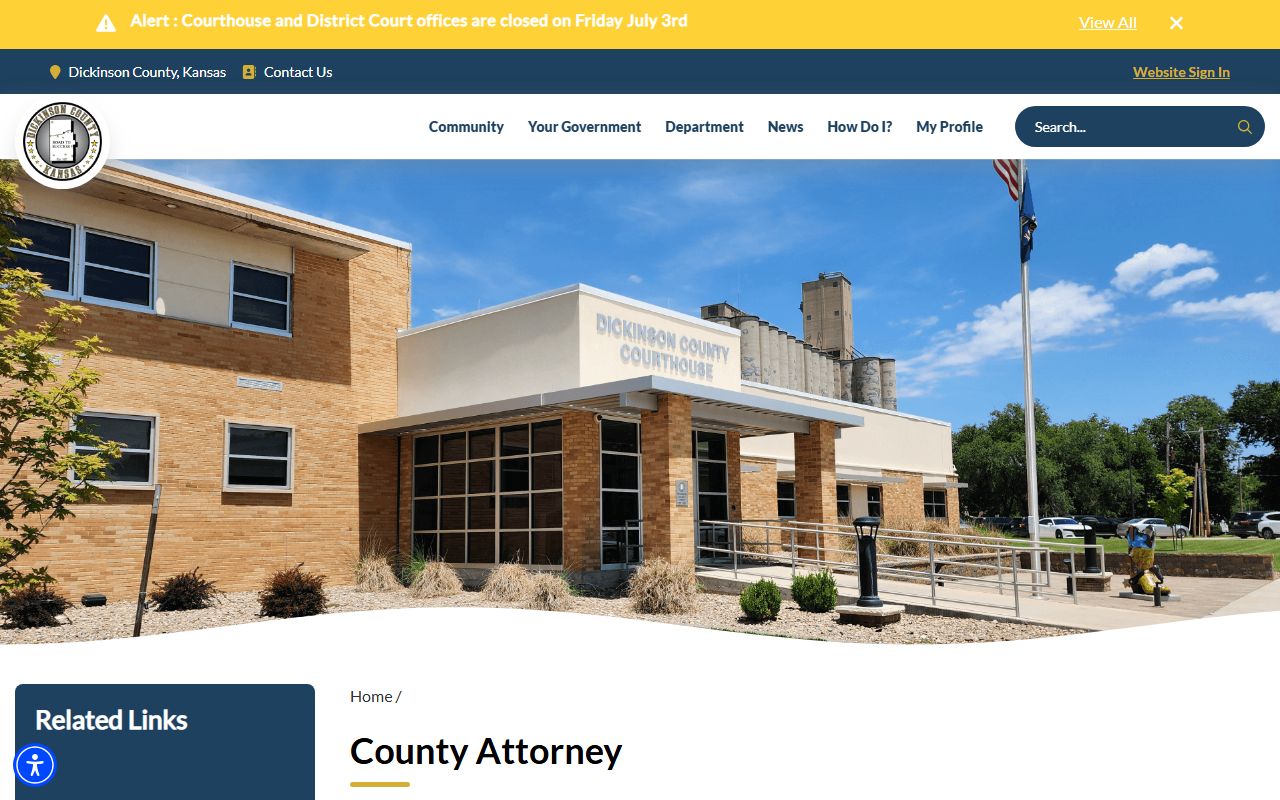
That source supports the local distinction between county-level state-law prosecutions and municipal court matters.
Search Dickinson County Criminal Court Records
The main online route for public Dickinson County criminal court records is Kansas Judicial Branch Case Search. The 8th Judicial District's Record Search page directs users to that statewide case search for court records from the district. CaseSearch replaced the former Kansas public access portal and is the first place to look for a public District Court criminal file by name, case number, county, or case type when the case is available online.
- Start with the record category. For a criminal court case, use the District Court case search path rather than the county open-records route.
- Search by case number when known. Dickinson County docket examples use the DK county prefix and case-type codes.
- If only a hearing is needed, open the 8th Judicial District court dockets page and search the Dickinson docket PDF by name, attorney, case number, judge, or date.
- For copies, older files, or sealed-file questions, contact the Clerk of the District Court at the courthouse.
- If the matter is a city ordinance or city misdemeanor case, check the municipal court rather than assuming it is a District Court file.
Dockets and CaseSearch serve different needs. A docket line can show that a first appearance, sentencing, probation violation, or other hearing is scheduled, but it is not the full case file. A CaseSearch result or a clerk copy request is more useful when the issue is the filed charge, plea, final order, sentence, or disposition. The full court record may still require clerk help if the online system does not show a document image or if access is restricted.
Dickinson County Criminal Case Flow
Criminal case records are easiest to read when the case stage is clear. A filed charge does not prove guilt. The file tracks how the allegation moves through court and whether each count is amended, dismissed, resolved by plea, tried, sentenced, or later reviewed through probation or revocation proceedings.
Case flow: Charges Filed › First Appearance or Arraignment › Pretrial and Motions › Plea or Trial › Disposition › Sentencing › Probation or Post-Sentence Action
| Stage | What the Criminal Court Record May Show |
|---|---|
| Charges filed | The complaint or information starts the District Court case and identifies the alleged offense or offenses. |
| First appearance or arraignment | The docket may show rights, counsel, bond, scheduling, and plea-related activity. |
| Pretrial and motions | Written requests, continuances, hearings, negotiations, and orders can appear before final resolution. |
| Plea or trial | The record should distinguish a plea from a trial result and should not be read as a conviction until the court reaches that outcome. |
| Disposition and sentencing | The case file records the outcome, sentence, probation terms, fines, costs, restitution, or other court orders when public. |
District Court dockets inspected for Dickinson County show hearing types such as First Appearance, Sentencing, Probation - Violation, Motion, Bench Trial, Review Hearing, and Status Conference. Those labels are clues, not the whole record. The clerk's file is the source for complete public documents and certified copies.
The staff-directory screenshot assigned to this page comes from the Dickinson County Attorney staff directory.
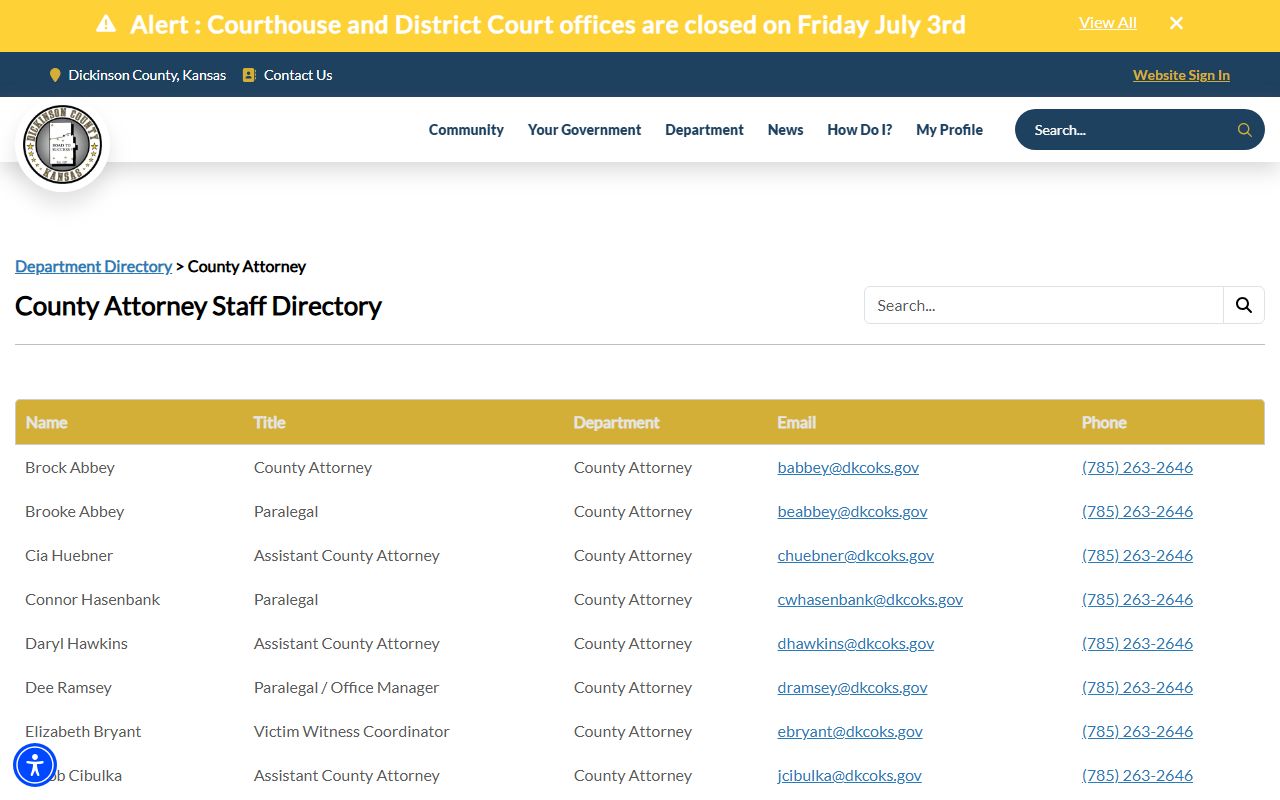
The directory reinforces that criminal filings involve the prosecutor's office before the court file reaches final disposition.
What Dickinson County Criminal Records Show
Dickinson County criminal court records share many fields with other District Court files, but the criminal file centers on the defendant, prosecutor, charge, plea, disposition, and sentence. The research also found local docket fields that help users read public entries: judge, courtroom, hearing date and time, attorney name or "Pro Se," notes, and sealed labels where public access is limited.
| Field | What It Shows |
|---|---|
| Case number | Dickinson County case numbers may use a DK prefix and a case-type code. CR is the standard criminal shorthand. |
| Caption and party role | The caption identifies the case, while the party role can show defendant, prosecutor, juvenile offender, or other role. |
| Charge | The alleged offense filed in court. One arrest can lead to one count, several counts, amended counts, or no filed case. |
| Attorney or pro se status | The docket may list counsel or show that a party appears without counsel. |
| Bond and first appearance | Early entries may show bond, rights, counsel, and scheduling after arrest or filing. |
| Hearing type | Examples include first appearance, motion, bench trial, sentencing, review hearing, and probation violation. |
| Disposition | The result for the case or count, such as guilty plea, dismissal, trial result, or other final action when public. |
| Sentence and probation | Sentencing terms, probation orders, revocation activity, costs, restitution, or related orders may appear if not restricted. |
| Sealed or restricted label | Public docket entries may hide names or details when juvenile, protection, minor, or sealed-record rules apply. |
CaseSearch was not directly inspectable for every field because automated field inspection was blocked, but official court pages confirm it is the statewide District Court record search route. Dickinson docket PDFs provided enough local field examples to show how party roles, courtrooms, hearing types, and sealed labels appear in public court material.
Dickinson County Charges vs Convictions
Charges and convictions are often confused in criminal court records. A charge is an accusation filed in court. A conviction is a court outcome after a guilty plea, guilty verdict, or other conviction event. The same Dickinson County criminal case file may show charges that remain pending, charges amended by the prosecutor, charges dismissed, and one or more counts that result in conviction.
| Point of Comparison | Charge | Conviction |
|---|---|---|
| Meaning | An alleged offense filed against a defendant. | A final outcome finding guilt by plea or trial result. |
| Where it appears | Complaint, information, docket, jail charge field, or court case entry. | Disposition, judgment, sentence, and criminal history records when reportable. |
| Can change | Yes. It may be amended, reduced, dismissed, or replaced. | Less often. Changes usually require later court action, appeal, or post-judgment relief. |
| How to read it | Do not treat the allegation as proof of guilt. | Read the sentence, probation, costs, and later revocation or expungement entries. |
The North Central Regional Public Defender Office is the regional indigent-defense office identified in the research for Dickinson County criminal matters.
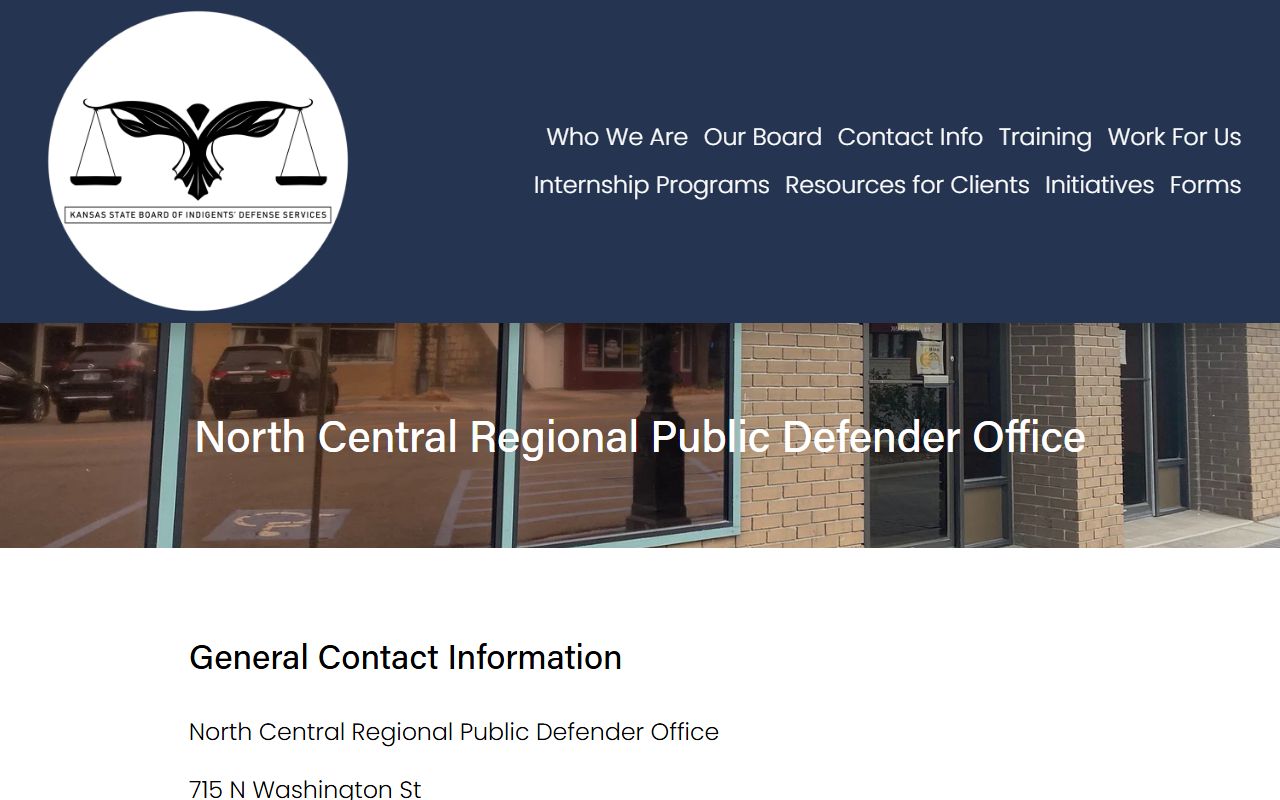
That office is relevant because appointed-counsel issues are handled through the court and Kansas indigent-defense system, not through the record search portal.
Public Access to Dickinson Criminal Records
Public access starts with the judicial branch search and docket channels. Kansas open-records law also supplies useful background: public records are open unless a law closes them, agencies may respond to inspection requests, and agencies may charge copy or production costs. For court case records, the practical first step remains CaseSearch, docket PDFs, and the Clerk of the District Court. For sheriff, dispatch, jail, or county department records, the county fee schedule routes open-record requests through the County Clerk.
Key access rules: K.S.A. 45-216 states the Kansas open-records policy, K.S.A. 45-218 covers inspection requests and responses, and K.S.A. 45-221 lists records that agencies are not required to disclose.
Some public docket entries may give enough context to identify the hearing, judge, courtroom, and next event. Certified copies or file-stamped documents must come from the court office. If a file is sealed, restricted, or not online, the clerk can explain the access path but cannot turn a closed record into a public record.
Dickinson Criminal Sealed vs Expunged
Sealing and expungement are different access limits. A sealed record is withheld from public access because a statute, rule, or court order restricts it. An expunged record is covered by a court order under Kansas expungement law that limits disclosure of qualifying arrests, convictions, or diversions. Neither term means every agency record disappears from every government system.
| Point of Comparison | Sealed Record | Expunged Record |
|---|---|---|
| Basic effect | Public viewers cannot see some or all of the record. | Public access is limited after a qualifying petition and court order. |
| Common reason | Juvenile, adoption, care and treatment, protection, minor, or sensitive personal information. | Eligible arrest, conviction, or diversion after statutory criteria and waiting rules are met. |
| Authority noted in research | Kansas disclosure limits, court order, and protected-record statutes. | K.S.A. 21-6614 for adult expungement. |
| Who may still see it | Courts, authorized parties, or agencies allowed by law. | The subject, courts, criminal justice agencies, and other statutory requesters may retain access. |
The expungement statute screenshot comes from K.S.A. 21-6614.
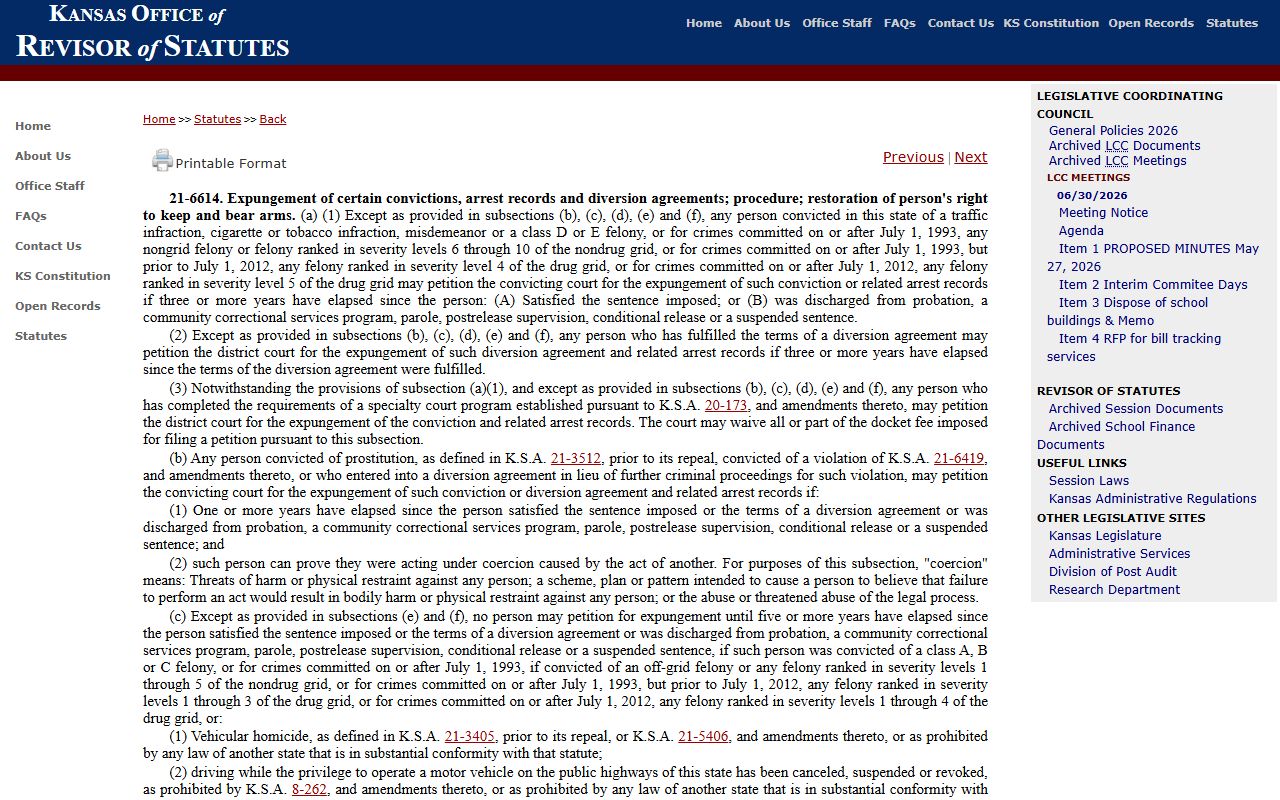
That statute is the researched Kansas source for adult expungement of certain arrests, convictions, and diversions.
Restricted Dickinson Criminal Case Limits
Juvenile offender records are a major access boundary for Dickinson County criminal research. The District Court handles juvenile offender cases, but Kansas law restricts access to juvenile details. Dickinson docket samples showed JV entries, yet protected names or details may be sealed or withheld. Adoption and care and treatment records are also listed within District Court categories, but they are not ordinary public criminal files.
Public criminal history and offender searches are separate from the county court file. Kansas criminal history search can be relevant for statewide history, while the court case file remains the source for Dickinson County filings, pleas, disposition, and sentence. Federal crimes are also separate. They are searched through District of Kansas federal systems and PACER, not Dickinson County CaseSearch.
The juvenile access source screenshot is from K.S.A. 38-2309.
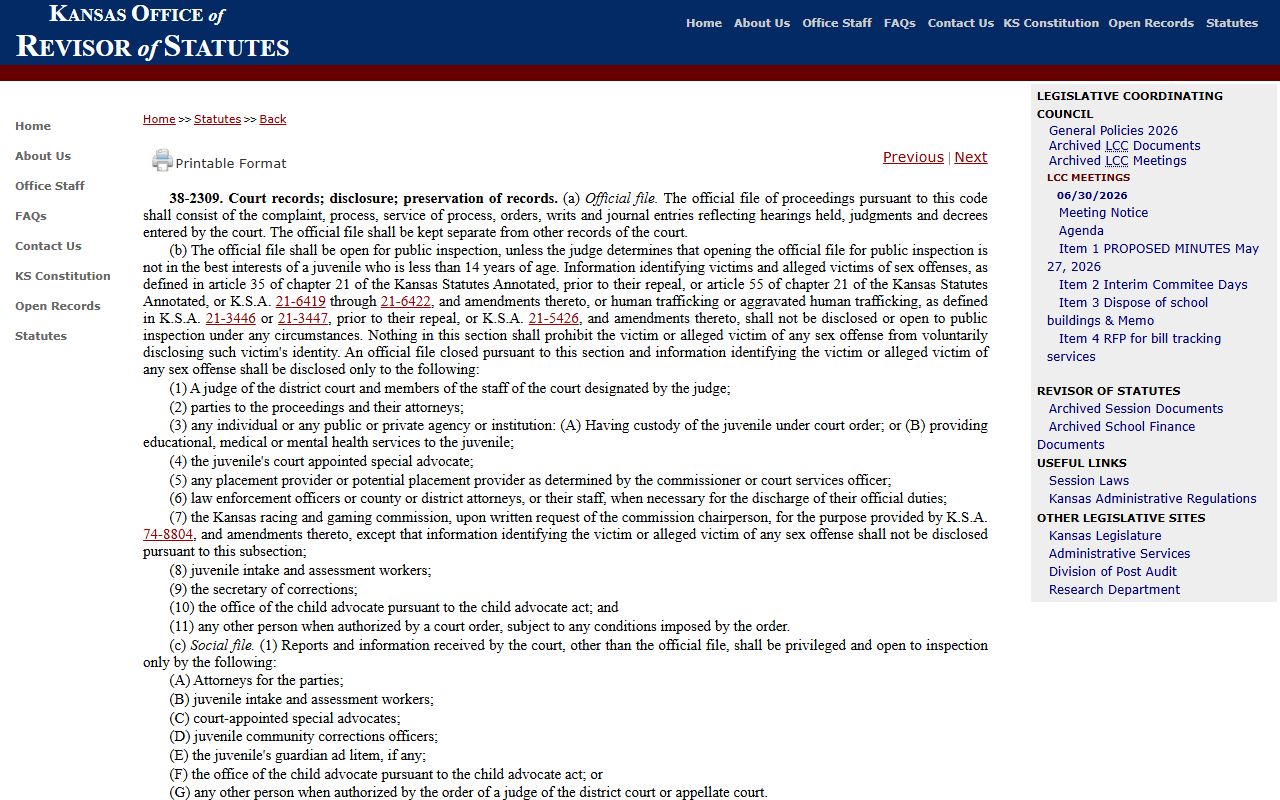
That source explains why juvenile offender details may not display like adult criminal court records.
Federal prosecution context in the image set comes from the U.S. Attorney's Office for the District of Kansas.
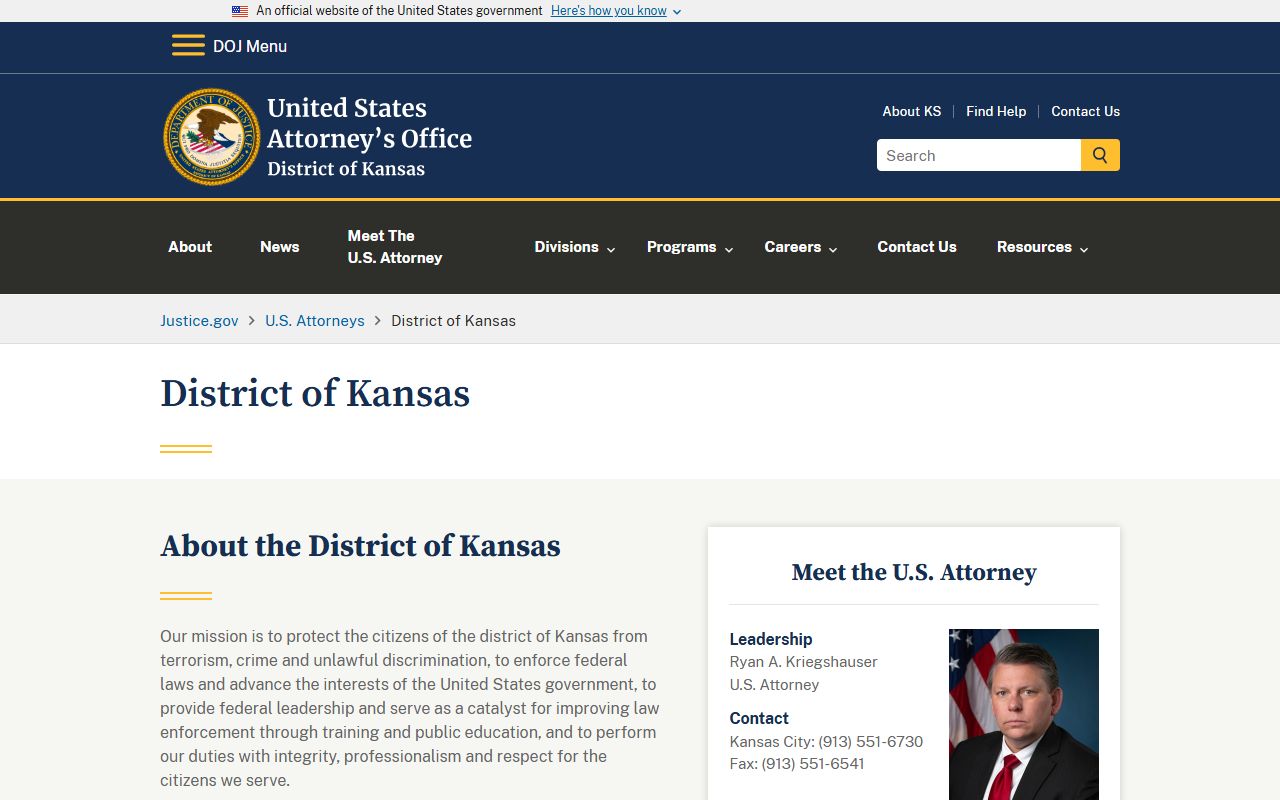
Federal criminal cases use federal court channels, so they should not be expected in a Dickinson County District Court file.
Note: A public criminal court record may show an accusation, a dismissal, or a sealed entry, so read the disposition before drawing conclusions.